- Home
- Trend
- Weight Loss Strategies
- Acne Tips
- Hair Health Information
- Blemish Removal Tips
- Acne Scar Removal Tips
- Muscle Building Techniques
- Intimate Care Tips
- Postpartum Intimate Care
- Eye Bags Wiki
- Tips for Face Slimming
- Secret of Permanent Hair Removal
- Breast Enlargement Tips
- Cure to Snoring
- Marionette Lines
- Skin-Tightening Secrets

Calming acne inflammation isn’t as easy as it sounds! When acne appears on the skin’s surface, it signals an ongoing inflammatory reaction. This inflammation is triggered by excess sebum production, which, when mixed with dead skin cells and bacteria at the follicle opening, leads to infection.
So how can you stabilize acne-prone skin and restore clarity? Let’s break down the 6 most common causes of acne and the doctor-approved professional treatments that really work — plus, discover the ultimate acne-fighting solution at the end of this article!

Understanding Local Skin Inflammation: How Acne Forms
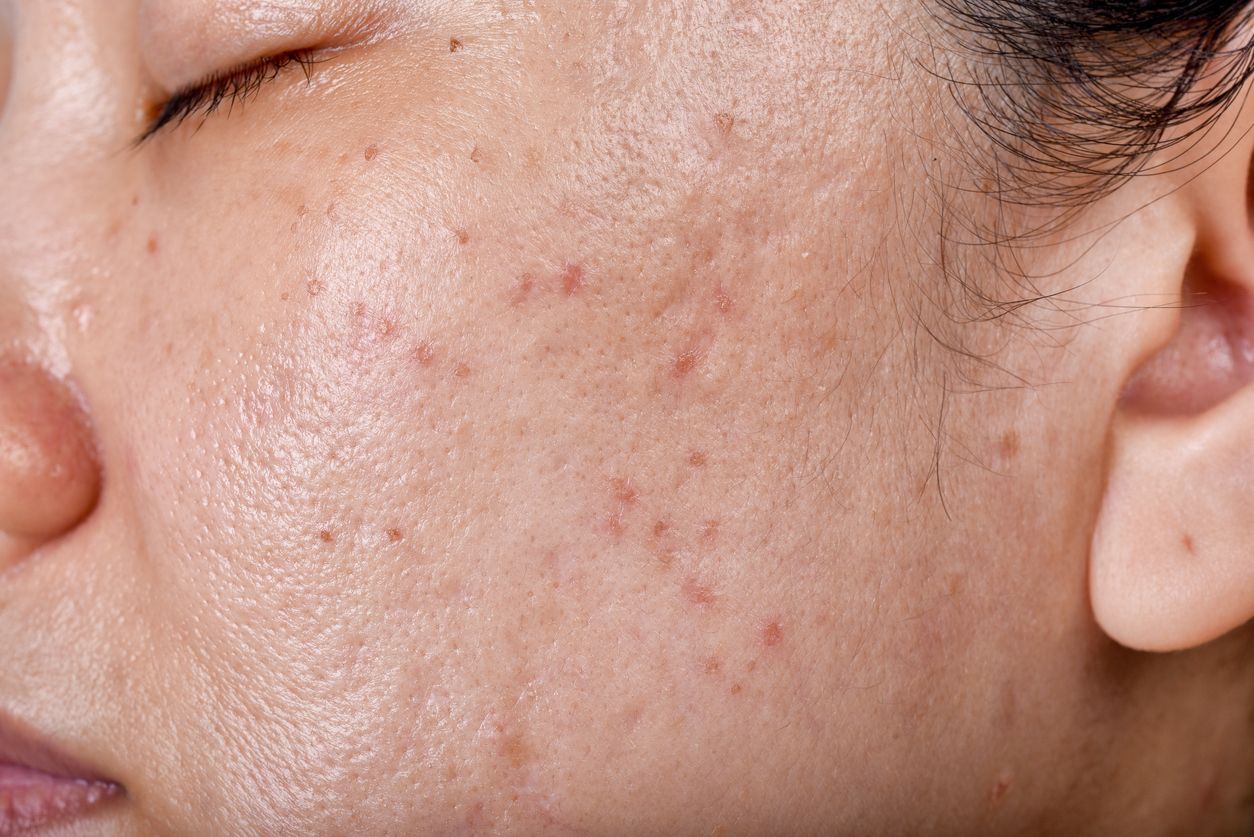
Acne (or pimples) develops primarily due to excessive sebum secretion. When pores become clogged with oil, dead skin, and keratin, comedones form. Once the trapped sebum comes into contact with bacteria (such as Propionibacterium acnes), localized inflammation occurs — causing redness, swelling, pain, and even pus formation.
The severity of inflammation can be influenced by external factors such as temperature, humidity, hormones, stress, diet, and sleep patterns. What starts as small papules can worsen into pustules, cysts, or even nodular acne if not treated properly — and careless handling may lead to scarring or skin damage!
The 5 Main Types of Acne: How They Affect Your Skin and Complexion
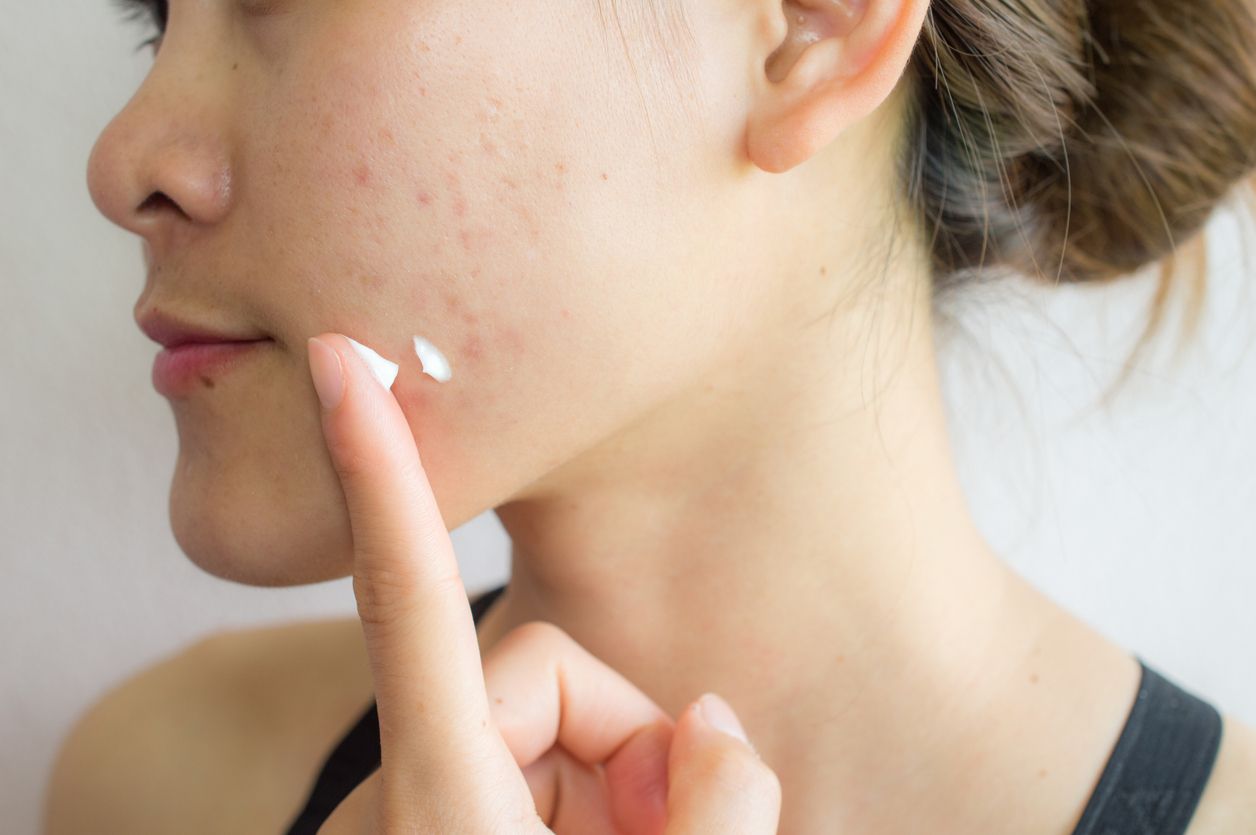
1. Blackheads
Also known as open comedones, blackheads form when pores are clogged with oil and dead skin. Exposure to air oxidizes the surface, turning it black. Though not inflamed or painful, they often appear on the nose, forehead, and chin — and can easily lead to inflammation if not managed.
2. Whiteheads
Similar to blackheads but enclosed under the skin, whiteheads (or closed comedones) occur when pores are blocked but not exposed to air. The trapped oil and keratin appear as small white bumps. These are early-stage acne lesions that can develop into papules or pustules if not cleansed properly.
3. Papular Acne
Papules represent an early stage of inflamed acne. They appear as small, raised red bumps that are tender to the touch but contain no pus. Without prompt treatment, papules may evolve into pustules or leave behind dark marks.
4. Pustular Acne
Pustules are a more inflamed form of acne, featuring visible whiteheads filled with pus and surrounded by redness and tenderness. They usually develop on the cheeks and chin. Squeezing them can cause pigmentation or permanent scarring.
5. Cystic Acne
The most severe type of acne, cystic lesions form deep beneath the skin, creating hard, painful lumps. They may persist for weeks and often lead to depressed scars. This type of acne requires professional medical intervention.
免費體驗
Acne Treatment
1 Minute Self-Registration
Date should not be before minimal date
6 Major Causes of Acne: Why Anti-Inflammation and Antibacterial Care Are Essential
1. Excess Sebum Production
Overactive sebaceous glands can clog pores with oil buildup, creating the first step toward acne. While sebum protects the skin, excessive amounts mix with dirt and dead skin, leading to congestion — especially during puberty or hormonal changes.
2. Abnormal Keratinization
Normally, dead skin cells shed naturally. When this process slows or over-accumulates, pores become blocked by thickened keratin mixed with oil, forming comedones. Common triggers include poor cleansing, over-exfoliation, or unsuitable skincare products.
3. Clogged Pores and Inflammation
Once pores are blocked, the trapped oil creates a closed environment ideal for bacterial growth. This overgrowth leads to inflammation, redness, and pus formation.
4. Bacterial Overgrowth
The skin naturally harbors bacteria, but when pores are blocked, Cutibacterium acnes (formerly P. acnes) multiplies excessively. It breaks down sebum into irritants, triggering immune responses that worsen acne.
5. Diet and Nutrition
Studies show high-glycemic foods (like sweets and fried items) can raise insulin levels, stimulating oil production. Excess dairy, especially skim milk, may also disrupt hormone balance, worsening acne.
6. Poor Lifestyle and Stress
Lack of sleep, stress, and irregular routines can disrupt hormonal balance, increasing sebum production and inflammation — a common modern-day acne trigger.
Daily Skincare Adjustments: 5 Key Tips to Improve Acne-Prone Skin
1. Use Acne-Fighting Serums or Lightweight Gels
Opt for products with anti-inflammatory and antibacterial ingredients. Apply directly to blemishes.
Recommended ingredients:
• Salicylic Acid (BHA)
• Tea Tree Oil
• Centella Asiatica Extract
• Vitamin B3 (Niacinamide)
• Vitamin B5 (Panthenol)
2. Try Microneedle Acne Patches for Rapid Redness Relief
These patches deliver active ingredients deep into the skin to calm inflammation and swelling.
Best for:
• Newly forming, red pimples (before pus develops)
• Overnight use for visible improvement by morning
3. Soothe with Medical-Grade Masks
Use anti-inflammatory masks 1–2 times weekly to reduce irritation and calm the skin.
Recommended ingredients: Aloe Vera, Green Tea, Chamomile, Centella Asiatica.
4. Avoid Harsh Exfoliation and Deep Cleansing Tools
Inflamed skin is fragile — avoid scrubs and cleansing brushes that may worsen irritation.
5. Improve Diet and Sleep
• Stay hydrated
• Reduce oily, sugary, and spicy foods
• Sleep early and manage stress to stabilize hormone levels
4 Professional Acne Solutions Recommended by Doctors: Are Light-Based Treatments the Most Effective?
1. Topical Medications
For mild to moderate acne, doctors often prescribe medicated creams with antibacterial and anti-inflammatory ingredients such as benzoyl peroxide, tea tree oil, or salicylic acid. These help soothe redness and accelerate healing.
2. Oral Medications
For severe or recurrent acne, dermatologists may prescribe oral retinoids (Vitamin A derivatives) to reduce sebum production and pore blockage, sometimes combined with antibiotics to control inflammation. Treatment typically lasts several weeks to months.
3. Medical Aesthetic Treatments
Professional acne programs — including deep cleansing, chemical peels, and anti-inflammatory serums — help unclog pores and improve overall skin condition, complementing medical therapy.
4. Light-Based (LED) Therapy
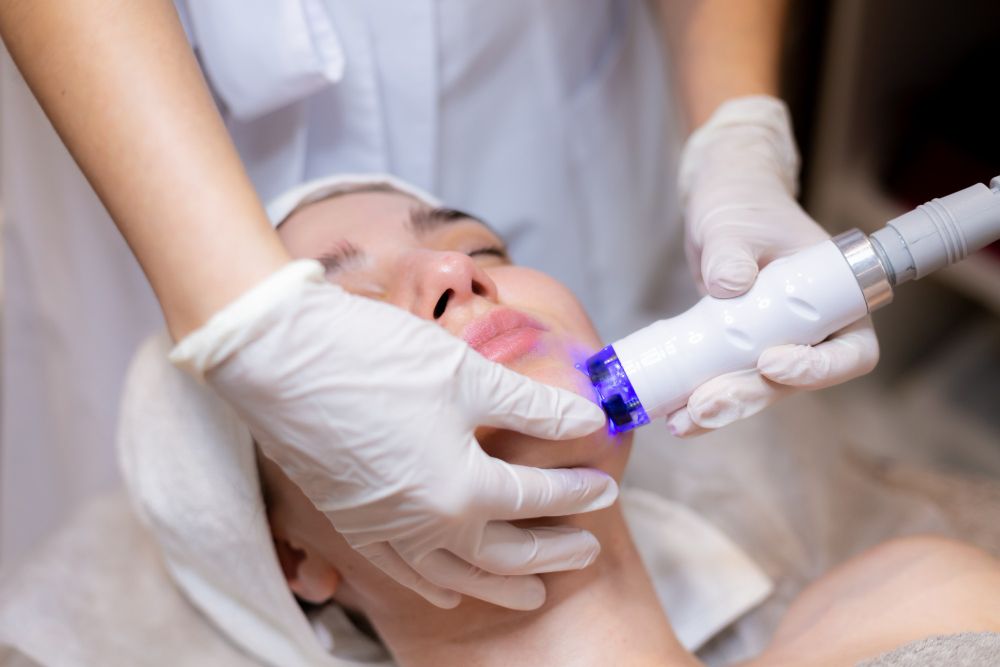
LED blue light targets acne bacteria beneath the skin’s surface, effectively reducing inflammation, redness, and pain. It’s a non-invasive option with minimal downtime, often used alongside medication.
4 Key Steps to Maintain Clear, Balanced Skin
• Gentle Cleansing: Use pH-balanced, soap-free cleansers to protect the skin barrier.
• Hydration: Choose non-comedogenic moisturizers with hyaluronic acid or ceramides.
• Daily Sun Protection: UV rays can worsen redness and acne marks — use a lightweight, oil-free sunscreen.
• Simplify Skincare: Avoid strong acids, scrubs, or potent whitening agents until the skin is stabilized.
免費體驗
Acne Treatment
1 Minute Self-Registration
Date should not be before minimal date
The Ultimate Acne-Calming Solution: Perfect Medical’s Acne Treatment
Instant redness relief, inflammation control, and deep cleansing in one go!
Looking for a fast-acting acne treatment that kills bacteria and reduces inflammation? Perfect Medical’s Acne Treatment lives up to its name — rapidly clearing acne, unclogging pores, and fading post-acne marks. Even oily, breakout-prone skin can regain a smooth, refined, and radiant glow!
This patented treatment combines dual-spiral suction drainage technology with vacuum microdermabrasion, effectively deep-cleansing pores while restoring the skin’s moisture balance. It targets acne, blackheads, uneven texture, enlarged pores, and dull skin — all in one session!
Book now to enjoy a professional skin analysis + Perfect Medical Acne Treatment
免費體驗
Acne Treatment
1 Minute Self-Registration
Date should not be before minimal date
FAQ

1. Can I use steroid creams to clear acne faster?
Not recommended — unsupervised use can thin the skin and suppress natural immunity. Always consult a doctor.
2. Does applying ice help with acne?
It can temporarily reduce redness and swelling but doesn’t address the root cause. Pair with anti-inflammatory care.
3. Is Vitamin C effective for acne?
Vitamin C helps fade acne marks and brighten the skin but isn’t suitable for treating active inflammation.
4. Why doesn’t my acne clear up even after using acne products daily?
Possible reasons include incorrect product use, insufficient dosage, or incompatibility with your skin type. Consult a dermatologist for tailored advice.
5. Will acne go away on its own?
Without proper treatment, acne rarely disappears completely — timely professional care is essential.